Powerful Personal Productivity Platform

© Peter Linder 2014 – All Rights Reserved

For many people, the latte-paced economy is a reality. Managing a work-life balance today is about combining work at home and in the office. And as the workforce becomes even more mobile, this model will change even further. So what can we learn from global road warriors who fly more often than they take the bus, are constantly juggling their current business, and as they develop, are moving deeper into the Networked Society?

Four fantastic 4G friends have emerged as necessary connectivity companions to ensure that work is about context rather than a specific location. 4G-enabled smartphones and tablets handle the daily information exchange while high-capacity batteries ensure that devices do not run out of energy during the day. Finally a Wi-Fi router guarantees that laptops and Wi-Fi only tablets can be connected en route. These four devices provide a connectivity extension well beyond the laptop and are likely to grow in importance for a broader workforce.

Personal time management has become one of our most valuable skills. So how do you schedule so that your most important task of the day is done when your energy and inspiration levels are at their peak? How do you deal with the daily information flow? If you still think in 8-hour workdays and schedule meetings for a full 60 minutes then you might struggle to handle new priorities. Days divided into 16 half-hour or 32, 15-minute segments might be a new approach to test.

Most of us struggle already with information overload in the form if mail, social media interactions and prioritization. Complex personal file systems and to-do list are growing faster than execution, and the resulting missed news is a symptom that you need better tools. The advancement in mobile productivity applications, such as Right InboxBufferFantastical,Carrot, all open up new opportunities

My predictions for the future of personal productivity are:

* Mobile devices will be central to productivity gains
* Our work will move into tailored mobile applications
* Workdays divided into 32 quarters beat those divided into 10 hours in most professions
* The professional connectivity need will spread to include wearables

Finding Fitness Foresight Formula

© Peter Linder 2014 – All rights reserved

The wellbeing of ‘cityzens’ is dependent on individuals taking a greater responsibility for being active. Running in the parks or workout sessions at the gym are common in urban areas but what will we demand in the form of measurement when these activities move beyond the fitness freaks and become mainstream in the city?

The ability to measure and track physical exercise is widespread among the most fitness-aware parts of the population. These practitioners track their workouts and running sessions with dedicated devices. They upload results and compare with friends with defined goals and targets. They move in to the exercise, get the job done and move out to their next mission.

There is a potential to leverage our daily movements and open up for the broader population to embrace measuring fitness and their personal lifestyle. By measuring our daily walks we might step off the bus one stop earlier on a good day and add a healthy 5-minute walk. We might select the stairs instead of elevators as we move around in the office. And we might choose restaurants further away to get in a healthy micro-lunch walk. Smart wearables with applications in our smartphones might support this development.

In many physically intensive professions, it is not so much about adding movement as it is about preventing unnecessary ones, or rather to track the intensity of the really hard ones. Location information and connectivity for instant access to employee’s wellbeing is emerging across many sectors. All of these factors is enabling a more health-aware lifestyle where we can measure and improve all areas where we would like to drive personal change.

My predictions for the future of preventive healthcare in cities are:
– Measuring and monitoring physical activities will move from fitness freaks to mainstream for all ‘cityzens’
– Dedicated devices will be complemented by wearables and applications coupled to smartphones
– Data will be stored in the cloud and automatically uploaded without manual intervention.

HSPA Hand Homeless Helping Hand

62. Hand Hungry Homeless Helping Hand - 1610 edited

Life for homeless persons in the city is not getting easier and funding of their basic needs has gone beyond the capabilities of tax-driven efforts. A perspective that has perhaps not been explored as much is what role smartphones and mobile applications can play in assisting homeless people in urban areas?

Homeless people lack a mail address and their ability to be reached is connected to their mobile phone. Their mobile phone is used as their primary connection point and serves as a valuable tool for staying in touch with providers of temporary shelter, meals and activity centers. With the evolution of marketing and payment applications, their mobile phone could now become even more valuable.

Targeted coupons can be offered in exchange for free meals or free food purchases. The funding can come from participating stores or direct from ‘cityzens’ who want to support the homeless in their city. A digital contribution chain could reduce administration costs and increase the value of contributions reaching the people who need it most.

Proactive monitoring is a high-priority healthcare innovation for the growing elderly population. This technology can be adapted to support remote monitoring of health status for homeless as a step towards enhancing basic care. This is another area where tax-subsidized efforts are unlikely to be sufficient and where crowd-funding through targeted social responsibility campaigns can be created.

Staying social and active is vital for the homeless population. Having universal access to the billboard at the activity center might trigger the extra visit to the workshop, drama, painting, music or meeting opportunity being offered.

Here are my predictions for the importance of smartphones for homeless people in the cities:

– Access to a personal smartphone, and support for keeping it charged, is a vital enabler of a better life for homeless persons in the city.
– Targeted applications supporting the homeless and the poor have become a growing focus for private and company-sponsored social responsibility efforts in cities.
– The platform created by smartphones and mobile applications will mean small but important improvements for vulnerable social groups in cities.

Airlines Are Advancing Airborne Adventures

© Peter Linder 2013 – All rights reserved

An important part of city life starts and ends with air travel. In the US, 642 million passengers flew on 8.4 million domestic flights during 2012. So how can network technology go from a gate-to gate experience to an enhanced door-to-door experience?

Frequent flyers have embraced electronic boarding passes to make their lives easier. Less frequent travelers might not appreciate this new technology but surcharges by low cost airlines for paper tickets and paper boarding passes have converted both types of travelers. We are now beginning to get more refined flight information on-line: notification of delays, progress on stand-by lists and alternative options. This means less work for the screen at the gate and more information in your palm about your trip.

Wi-Fi is widespread in lounges at airports and in the waiting areas inside the terminals. However, few are accessible without a special access code or even at all in the check-in area. As so much information is collected at the booking and required en route, the addition of effortless airport coverage is the next big thing off the plane. Who wouldn’t like to check the box for “Device connectivity at airports en route” when booking a trip?

The entertainment screen in the chair in front of you has been an integrated part of the flying experience for decades. It’s about to get seriously challenged by the tablets most travelers bring on board. The only aspect missing is network capacity on board to support streaming entertainment services. Investing more in network capacity and less on commercial rights and video/DVD/Blu-ray players on board is a mainstream trend.

Last but not least, the networked flight attendant will be updated in the air about the impact of any weather-related delays, mechanical problems or slot times. Tablets and super-sized smartphones are becoming the new work horse to serve you better as you approach the end of your flight. Will I make my connection? Will I need any support for expedited rush between terminals? How long is the immigration line? Am I re-booked on a new flight already?

My predictions for the future of networked aviation are:

– The journey towards connecting airports, planes and passengers is in its infancy and represents the single most important source of adding values to air travel.
– Our smartphones will remain the key touch point for updates on day of travel, and will take over as the primary booking tools for trips.
– Our tablets will become the new personal entertainment screen as soon as satellite capacity allows for streaming during flights.
– Integrating taxi/bus/metro transport with networked aviation will extend the gate-to-gate experience all the way to a door-to-door experience.

Perfect Parking – Predict Places & Power-up Porsches

60. Perfect parking procedures

A growing challenge in the cities is how to meet its citizen’s parking needs. Users expect navigation support to help them find parking spots close to their destination. With the growth of hybrid and electrical cars, the demand for powered parking spots will grow in urban areas. But what role do networks and smartphones play in this scenario?

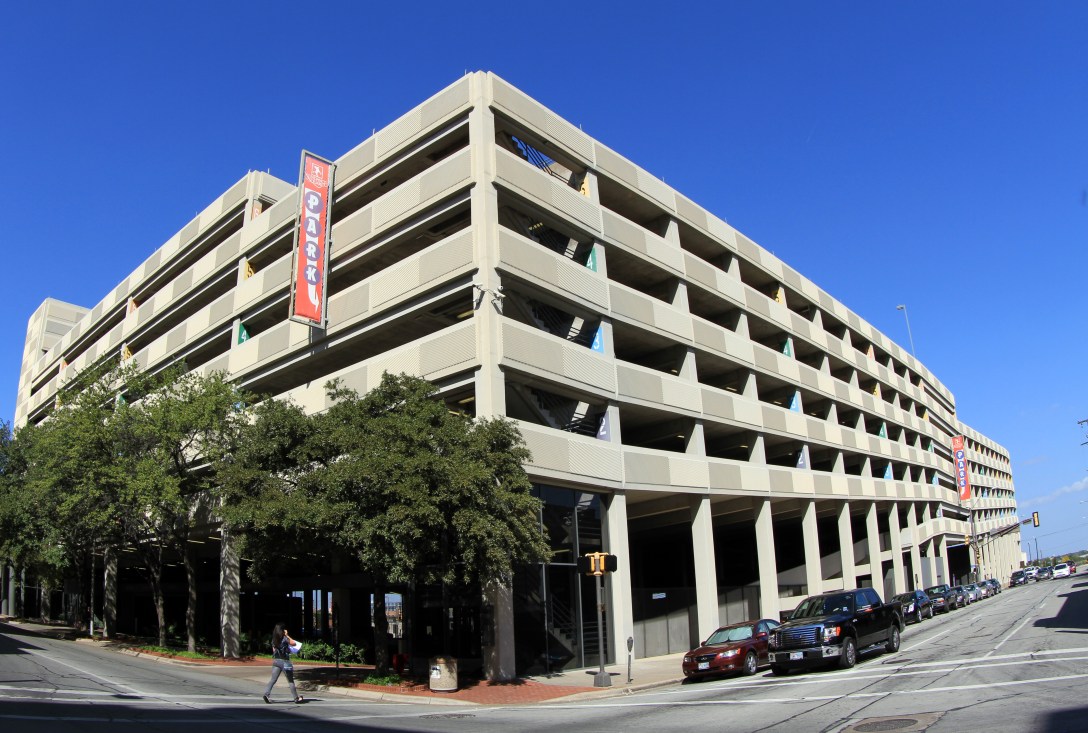
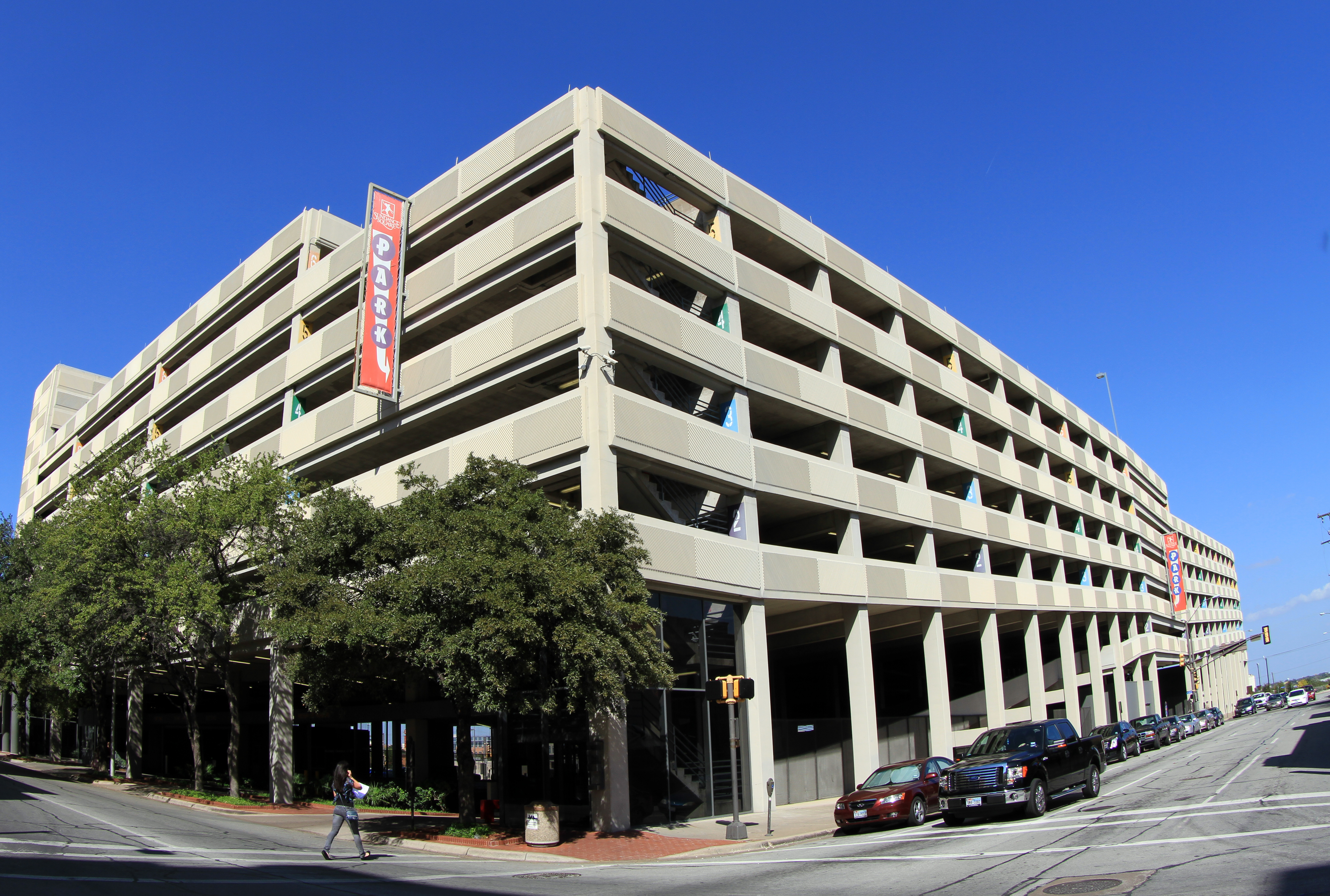
Today, information about available parking spots is first displayed at the entry to a garage. With enhanced navigation support en route, the next step is to extend this type of information for empty parking spots. The value to society and citizens from finding a parking spot instantly will come in terms of time saved and reduced emissions. A networked parking lot or garage has the capability to make its available spots accessible to cars nearby. Checking-in a few minutes prior to arrival can soon be a reality.

The transition to electrical and hybrid cars is essential to reduce emissions in urban areas. Integrating electrical/hybrid car charging into urban parking is the next, natural step for dedicated electronic vehicle (EV) parking spots. Distributing charging locations to natural parking spots can make at-home and at-work parking a reality.

With the population growing in major urban areas, parking will continue to be a scarce resource. Efficient use of parking is relevant in urban centers but so is commuter parking – where multi-modal travelers switch to public transportation. With multi-modal travelling apps, different information about public transportation can be linked and extended to include private transportation. The adventure of parking cars in urban centers could soon be history, at least insofar as it is possible to serve the needs with existing parking spots.

My predictions for the future of networked parking are:
– Navigation support will be extended from best routes to also include parking.
– Location-based technology will allow nearby cars to check-in to a parking spot prior to arrival to reduce traffic load from “parking finding”.
– Dedicated EV parking spots will allow charging while “cityzens” are at work.

Power-up Performance @ Public Places

59. Power-up Performance at Public Places - 1610 edited

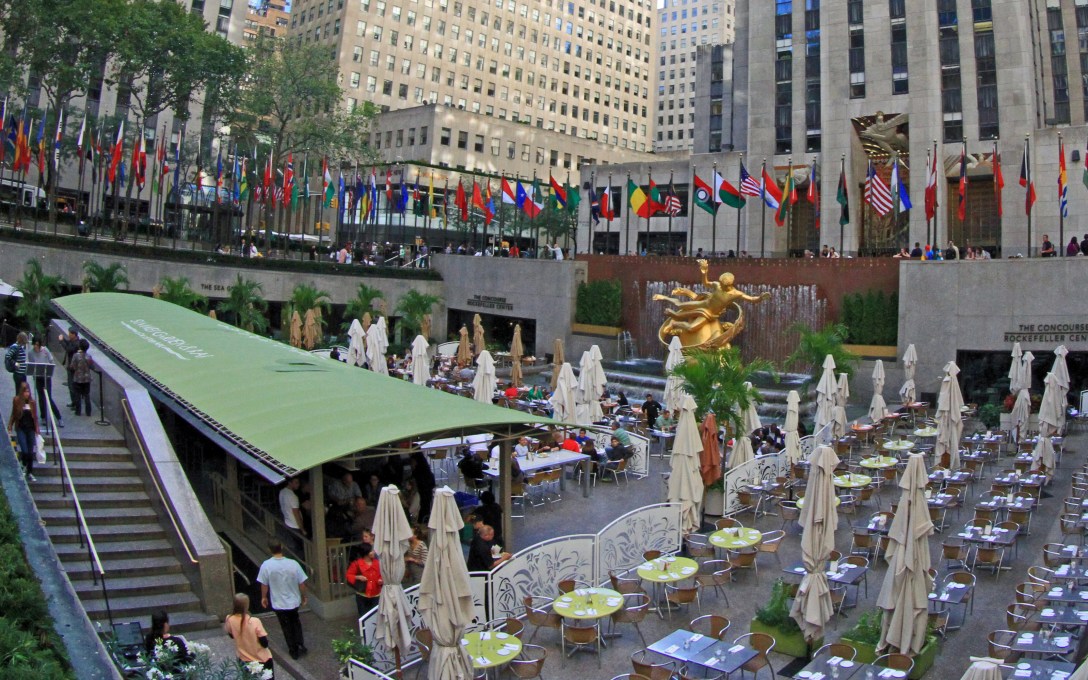
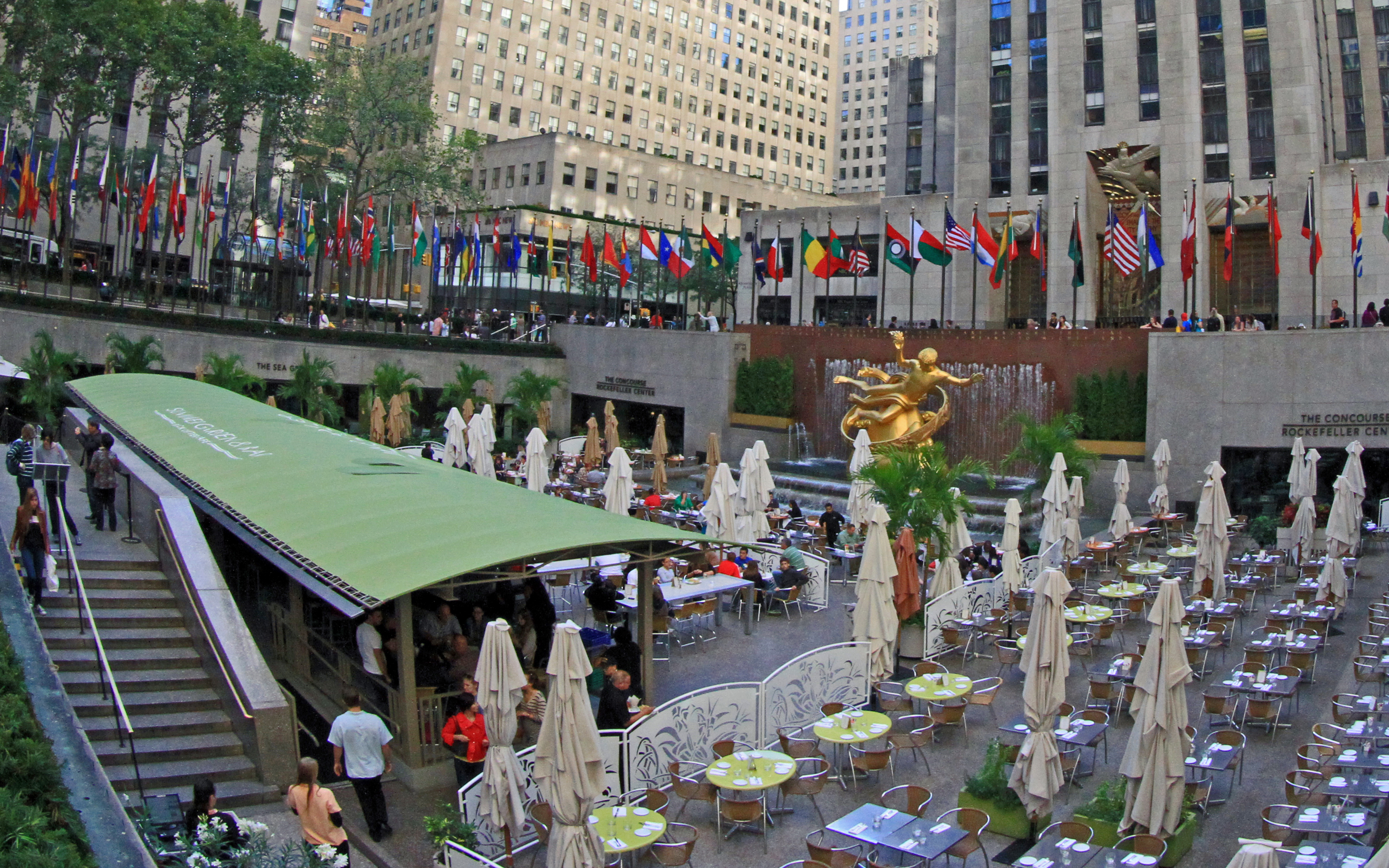
Modern “cityzens” expect mobile coverage and capacity wherever they go. Providing infrastructure for good mobile-data coverage and capacity is as important as public transportation, electricity, water and sewage. The question I want to address in this post is: how do operators leverage the capabilities of small cells to power-up performance in public spaces?

“Cityzens” spend more time travelling to and from work than their rural peers. It’s of great interest to them to turn this time into valuable professional or private time. This is an opportunity to catch up on their mailboxes and is prime time for social media interactions. This is driving demand for an increase in network capacity in the places where we spend time outside of home and work, for example at bus, train and subway stops and along major road and rail routes.
“Cityzens” who spend a significant amount of time in high-rise offices, multi-dwelling homes or hotel buildings are ofter above the normal mobile/cellular coverage levels. These users still expect that their mobile voice, data and video services will work just as well in these locations as on the ground level. To secure coverage in these places, special indoor solutions are needed to bring a vertical coverage dimension into play.

In addition to using time efficiently, “cityzens” are also keen to have coverage and capacity in their favorite relaxation spots. They want to watch a video clip or parts of a drama series or read an e-book in their favorite outdoor plaza; enjoy a relaxing moment under a tree or by a bench in the park together with their device or simply take a stroll through popular part of town. The scenarios are numerous and well known to all of us.

Finally, security and safety of “cityzens” – a priority for city governments – is dependent on high coverage and capacity city wide. Dedicated networks will inevitably fall short on the coverage and capacity expectations or will shoot budgets to exceptionally high levels prompting city administrators to leverage highly-dense mobile data networks.

My predictions of the future of network performance in public city spaces are:

– Mobile “app coverage” and capacity to meet citizen demand is the most import infrastructure development for cities in the near-term.
– “Cityzens” will leverage a mix of 3G/4G/Wi-Fi access to get their needs satisfied, provided there is a common business model across all three technologies.
– Coverage and capacity in public places will distinguish powered-up cities from those that are struggling to meet expectations.
– Access modernization will be done through a combination of macro-grid densification, small-cell introduction and Distributed Antenna System deployments in a variety of deployment scenarios.